
Are you aware of the hidden dangers lurking in your daily environment? Accidents can happen anywhere, whether you’re working or relaxing at home.
Understanding the risks associated with household and workplace accidents is crucial for prevention. By being informed, you can take necessary precautions to ensure a safer living and working space.
Being mindful of potential hazards is the first step towards creating a safer environment. In this article, we’ll explore the top accident types to watch out for in both domestic and professional settings.
Key Takeaways
Table of Contents
- Identify potential hazards in the home and workplace.
- Understand the importance of safety precautions.
- Learn how to prevent common accidents.
- Discover ways to create a safer living and working environment.
- Recognize the role of awareness in accident prevention.
Understanding the Scope of Accident Risks
Understanding the scope of accident risks is essential for mitigating their impact on individuals and organizations. Accidents can occur in various settings, including homes and workplaces, and can have severe consequences.
Statistics on Home and Workplace Accidents in the US
The United States experiences a significant number of accidents both at home and in the workplace. According to workplace accident statistics, millions of workers are injured on the job each year. Similarly, home accidents account for a substantial number of emergency room visits annually.
These statistics underscore the need for awareness and preventive measures to reduce the incidence of such accidents.
The Physical and Financial Impact of Accidents
The impact of accidents extends beyond the immediate physical harm. Common work-related injuries can lead to significant financial burdens due to medical expenses and lost productivity. Moreover, the physical and emotional trauma experienced by individuals can have long-lasting effects.
By understanding the scope of these risks, individuals and organizations can take proactive steps to mitigate the occurrence and impact of accidents.
Most Common Accident Types at Home and Work
Identifying common accident types is the first step towards creating a safer environment at home and work. Accidents can occur due to various reasons, and being aware of these can significantly reduce their occurrence.
Overview of Accident Patterns and Trends
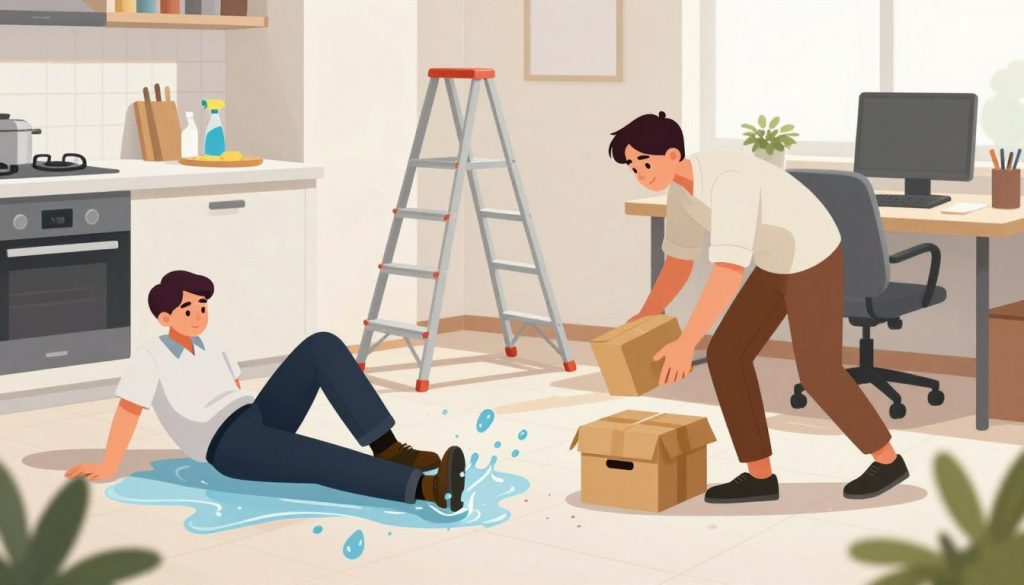
Accident patterns and trends reveal that certain types of accidents are more prevalent in specific settings. For instance, slips, trips, and falls are common both at home and in the workplace. Understanding these patterns helps in devising targeted safety measures.
Risk Factors That Increase Accident Likelihood
Several risk factors increase the likelihood of accidents, including poor lighting, cluttered spaces, and lack of safety equipment. In the workplace, factors such as inadequate training and malfunctioning machinery also play a significant role.
Identifying High-Risk Activities in Daily Life
Daily activities such as cooking, cleaning, and even walking can become hazardous if not done with caution. In the workplace, activities involving heavy machinery or working at heights are considered high-risk. Being aware of these risks is crucial for prevention.
| Accident Type | Common Causes | Prevention Measures |
|---|---|---|
| Slips, Trips, and Falls | Wet floors, uneven surfaces | Proper lighting, cleaning spills immediately |
| Cuts and Lacerations | Sharp objects, machinery | Using protective gear, handling objects with care |
| Burns and Fire Hazards | Open flames, electrical issues | Fire safety equipment, cautious handling of flames |
Common Household Accidents and Prevention Strategies
Household accidents are a leading cause of injury and death, making it crucial to understand the risks and implement effective prevention strategies. Accidents at home can range from minor incidents to life-threatening situations, affecting individuals of all ages.
Slips, Trips, and Falls
Slips, trips, and falls are among the most common household accidents, often resulting from wet floors, uneven surfaces, or cluttered walkways.
Prevention Tips for Different Areas of the Home
To prevent falls, ensure that floors are clear of clutter, use non-slip mats in bathrooms and kitchens, and improve lighting in hallways and stairways.
Safety Equipment to Prevent Falls
Installing handrails in strategic locations and using grab bars in bathrooms can significantly reduce the risk of falls.
Burns and Fire Hazards
Burns and fires are significant risks in the home, often caused by kitchen mishaps, electrical malfunctions, or unattended candles.
Kitchen Safety Measures
Never leave cooking unattended, keep a fire extinguisher in the kitchen, and ensure that electrical appliances are used according to their manuals.
Fire Prevention Throughout the Home
Regularly check smoke detectors, keep flammable materials away from heat sources, and have a fire escape plan.
Poisoning and Chemical Exposure
Poisoning can occur from ingesting household chemicals, medications, or exposure to carbon monoxide.
Proper Storage of Household Chemicals
Store chemicals in well-ventilated areas, out of reach of children, and in their original containers.
Carbon Monoxide and Gas Safety
Ensure that gas appliances are properly installed and maintained, and install carbon monoxide detectors near sleeping areas.
Cuts and Lacerations
Cuts and lacerations can happen in various parts of the home, often due to sharp objects or tools.
Kitchen Tool Safety
Handle knives and other sharp objects with care, and store them in a safe, inaccessible location when not in use.
Workshop and Garden Tool Precautions
Wear protective gear when using power tools or gardening equipment, and ensure that tools are properly maintained.
| Accident Type | Prevention Strategies |
|---|---|
| Slips, Trips, and Falls | Clear clutter, use non-slip mats, improve lighting |
| Burns and Fire Hazards | Monitor cooking, maintain electrical appliances, check smoke detectors |
| Poisoning and Chemical Exposure | Store chemicals safely, install carbon monoxide detectors |
| Cuts and Lacerations | Handle sharp objects with care, wear protective gear |
By understanding these common household accidents and implementing the discussed prevention strategies, individuals can significantly reduce the risk of injury and create a safer home environment.
Workplace Accident Types and Safety Protocols
Workplace safety is a critical concern, with various accident types posing significant risks to employees. Understanding these risks and implementing safety protocols can significantly reduce the occurrence of workplace accidents.
Falls from Heights and Same-Level Falls
Falls are among the most common workplace accidents. They can occur from heights, such as ladders or scaffolding, or from the same level due to slips, trips, or uneven flooring.
Ladder and Scaffolding Safety
To prevent falls from heights, ensure that ladders and scaffolding are properly inspected and maintained. Workers should receive training on safe climbing practices and use personal fall arrest systems when necessary.
Preventing Office Slips and Trips
In offices, same-level falls can be prevented by keeping floors clear of clutter, using non-slip mats in areas prone to moisture, and ensuring that walkways are well-lit.
Machinery and Equipment Injuries
Machinery and equipment can pose significant risks if not used properly. Injuries can range from cuts and lacerations to more severe crushing injuries.
Proper Training and Operation Procedures
Workers should receive comprehensive training on the operation of machinery and equipment. This includes understanding safety features and emergency shutdown procedures.
Maintenance and Inspection Routines
Regular maintenance and inspection of machinery and equipment are crucial. This helps identify potential issues before they lead to accidents.

Repetitive Strain and Ergonomic Injuries
Repetitive strain injuries (RSI) and ergonomic injuries are common in workplaces where tasks involve repetitive motions or poor ergonomics.
Workstation Setup Guidelines
Ensuring that workstations are set up to promote good posture and reduce strain is essential. This includes adjusting chair heights, monitor angles, and keyboard positions.
Movement and Stretching Recommendations
Regular movement and stretching can help prevent RSI. Encouraging workers to take short breaks to stretch and move around can reduce the risk of ergonomic injuries.
Vehicle-Related Accidents
Vehicle-related accidents can occur on the road or in workplace parking lots. They can involve company vehicles or personal vehicles used for work purposes.
Safe Driving Practices for Work Vehicles
Implementing safe driving practices, such as defensive driving training and regular vehicle inspections, can reduce the risk of accidents.
Loading and Unloading Safety
When loading or unloading goods from vehicles, workers should follow safety guidelines to prevent injuries. This includes securing loads properly and using appropriate lifting techniques.
Emergency Response and Safety Planning
Accidents can happen anytime, but with proper planning and knowledge, their consequences can be significantly reduced. Effective emergency response and safety planning are critical in both home and workplace environments.
Creating a Home Safety Plan
A home safety plan involves several key elements to ensure that everyone knows what to do in case of an emergency.
Emergency Contact Information and First Aid Kits
It’s essential to have emergency contact information readily available and a well-stocked first aid kit.
Evacuation Routes and Meeting Points
Identifying safe evacuation routes and designating meeting points outside the home can help ensure everyone’s safety.
Workplace Safety Protocols
Understanding workplace safety protocols is vital for preventing accidents and responding effectively to emergencies.
Understanding Emergency Procedures
Employees should be familiar with emergency procedures, including fire evacuation plans and first aid response.
Reporting Hazards and Near-Misses
Reporting hazards and near-misses helps in identifying and mitigating potential risks.
Basic First Aid for Common Accidents
Knowing basic first aid can make a significant difference in responding to common accidents.
| Accident Type | Basic First Aid |
|---|---|
| Cuts and Lacerations | Apply pressure, clean with soap and water, and cover with a bandage. |
| Burns | Cool the burn with cool water, apply a topical ointment, and cover with a non-stick dressing. |
Staying Safe at Home and Work
Being aware of the most common accident types at home and work is crucial to preventing them. By understanding the risks and taking proactive steps, individuals can significantly reduce the likelihood of accidents.
Simple measures such as maintaining a clutter-free environment, following safety protocols, and being mindful of potential hazards can go a long way in preventing accidents at home and work.
To prevent accidents at home and work, it’s essential to stay vigilant and take responsibility for safety. This includes creating a home safety plan, following workplace safety protocols, and being prepared for emergencies.
By taking these steps, individuals can protect themselves and their loved ones from the most common accident types at home and work, ensuring a safer and healthier environment.