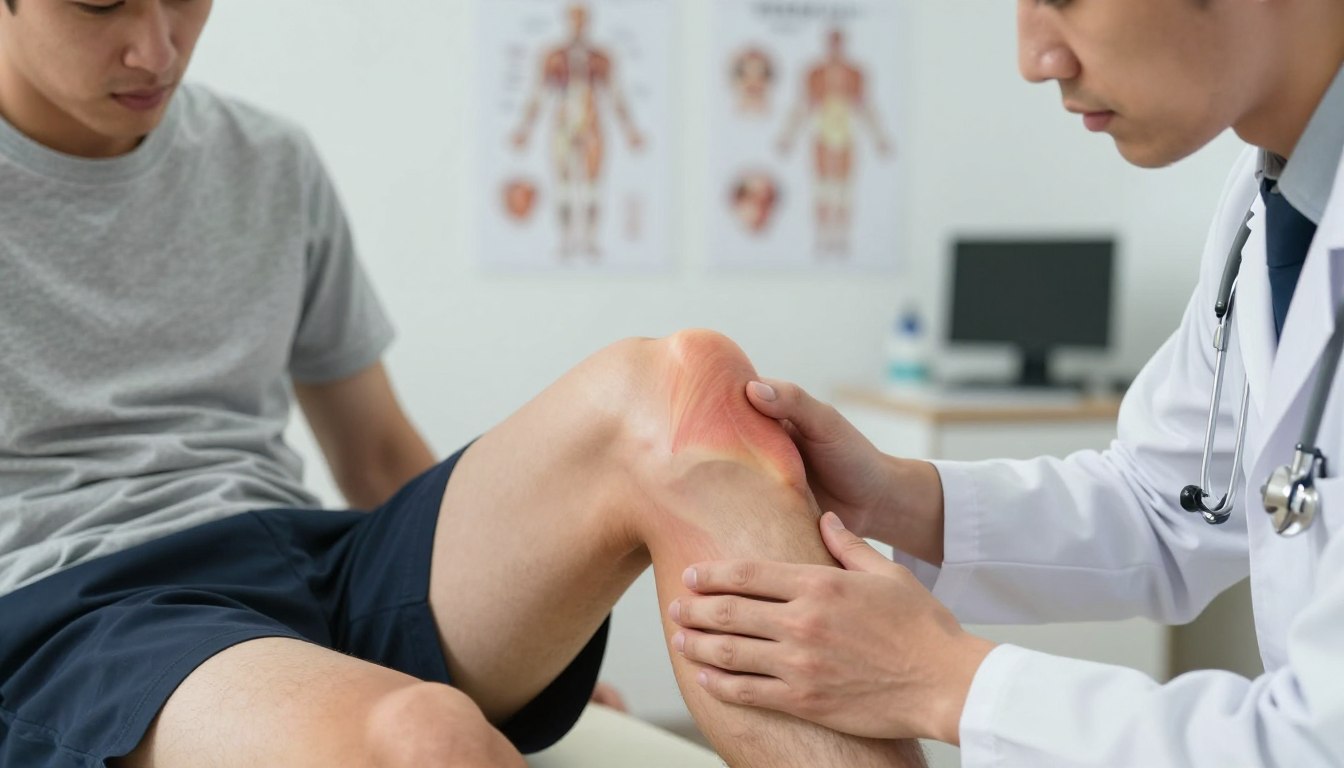
Have you ever experienced a sudden, sharp pain while exercising or engaging in physical activity? Could it be a sign of something more serious? Understanding the difference between a minor muscle strain and a more severe injury is crucial for proper recovery and preventing further damage.
A muscle strain occurs when muscle fibers are stretched or torn, while a tear injury is a more severe condition where the muscle is partially or completely ruptured. Knowing the symptoms, causes, and treatment options for these injuries can help you take the right steps towards healing.
Key Takeaways
Table of Contents
- Understanding the severity of muscle strain and tear injuries is crucial for proper recovery.
- Muscle strain occurs when muscle fibers are stretched or torn.
- Tear injuries are more severe and can cause significant pain and disability.
- Knowing the symptoms and causes can help in seeking the right treatment.
- Proper treatment and prevention strategies can aid in faster recovery.
Muscle Strain and Tear Injuries Explained
The world of sports and physical activity is fraught with the risk of muscle strain and tear injuries, making it essential to comprehend their nature. Muscle strain and tear injuries are significant concerns for athletes and individuals who engage in strenuous physical activities. These injuries can sideline athletes and impact daily life, making it crucial to understand their nature, types, and severity.
Muscle injuries, broadly categorized into strains and tears, vary in their severity and impact on the muscle. Understanding these differences is key to proper diagnosis and treatment.
Different Types of Muscle Injuries
Muscle injuries can be classified based on the type of muscle affected and the nature of the injury. The primary types include:
- Muscle Strains: These occur when muscle fibers are stretched or torn. Strains are common in sports that involve sprinting, jumping, or quick changes of direction.
- Muscle Tears: A more severe form of injury where there is a significant tear in the muscle. Tears can be partial or complete, with the latter being more severe.
Grades of Muscle Strains and Tears
The severity of muscle strains and tears is graded on a scale, typically from 1 to 3, based on the extent of the damage.
| Grade | Description | Symptoms |
|---|---|---|
| Grade 1 | Mild strain or tear with minimal muscle fiber damage. | Mild pain, minimal loss of strength, and minimal functional loss. |
| Grade 2 | Moderate strain or tear with a significant number of muscle fibers damaged. | Moderate to severe pain, noticeable loss of strength, and some functional loss. |
| Grade 3 | Severe strain or complete tear of the muscle. | Severe pain, significant loss of strength, and major functional loss. |
Understanding these grades is crucial for determining the appropriate treatment and rehabilitation plan. The severity of the injury will dictate the recovery time and the intensity of the rehabilitation process.
Common Causes and Risk Factors
Understanding the common causes and risk factors of muscle strain and tear injuries is crucial for prevention and effective treatment. Muscle damage can occur due to a variety of reasons, and being aware of these factors can help individuals take necessary precautions.
Physical Activities That Lead to Muscle Strains
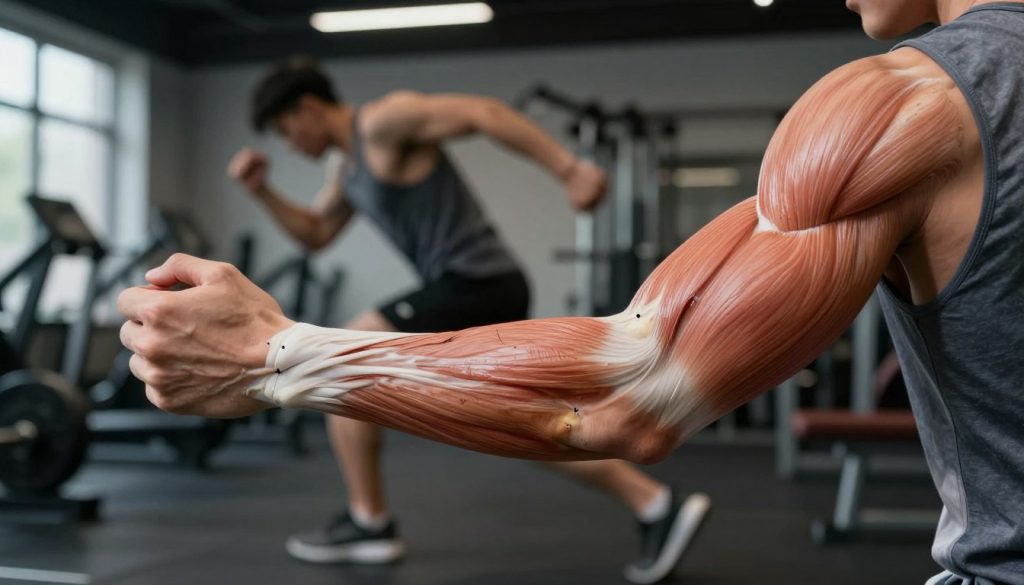
Certain physical activities are more likely to result in muscle strains and tears. These include:
- Sports that involve sudden stops and starts, such as soccer and basketball
- Activities that require repetitive strain, like running and cycling
- Exercises that involve heavy lifting or sudden movements, such as weightlifting
Underlying Conditions That Increase Risk
Some underlying health conditions can increase the risk of experiencing muscle strain and tear injuries. These conditions include:
- Muscle imbalances or weaknesses
- Poor flexibility or inadequate warm-up routines
- Previous muscle injuries or chronic conditions like tendinitis
Individuals with these conditions should be particularly cautious when engaging in physical activities.
Age and Fitness Level Considerations
Age and fitness level are also significant factors that can influence the risk of muscle strain and tear injuries. For instance:
- Older adults may be more prone to muscle injuries due to decreased muscle mass and flexibility.
- Individuals who are new to exercise or have a low fitness level may be at higher risk due to lack of conditioning.
It’s essential for individuals of all ages and fitness levels to gradually increase their activity levels and incorporate proper warm-up and cool-down routines.
Recognizing Symptoms and Getting Diagnosed
The symptoms of muscle strain and tear injuries can vary, but knowing what to look for can significantly impact the recovery process. Recognizing these symptoms is crucial for getting a proper diagnosis and starting the right treatment.
Immediate Signs of Muscle Injury
When a muscle is strained or torn, immediate symptoms often include sudden pain, swelling, and limited mobility. In some cases, a “popping” or “tearing” sensation may be felt at the moment of injury.
Other signs can include:
- Muscle spasms
- Bruising or discoloration
- Weakness in the affected muscle
- Difficulty in contracting or stretching the muscle
When to Seek Medical Attention
It’s essential to seek medical attention if you experience severe pain, significant swelling, or if you’re unable to move the affected limb. Additionally, if there’s a significant loss of strength or function, medical evaluation is necessary.
“If you’re unsure about the severity of your injury or if it’s not improving with rest, it’s always best to consult a healthcare professional.”
Diagnostic Procedures and Tests
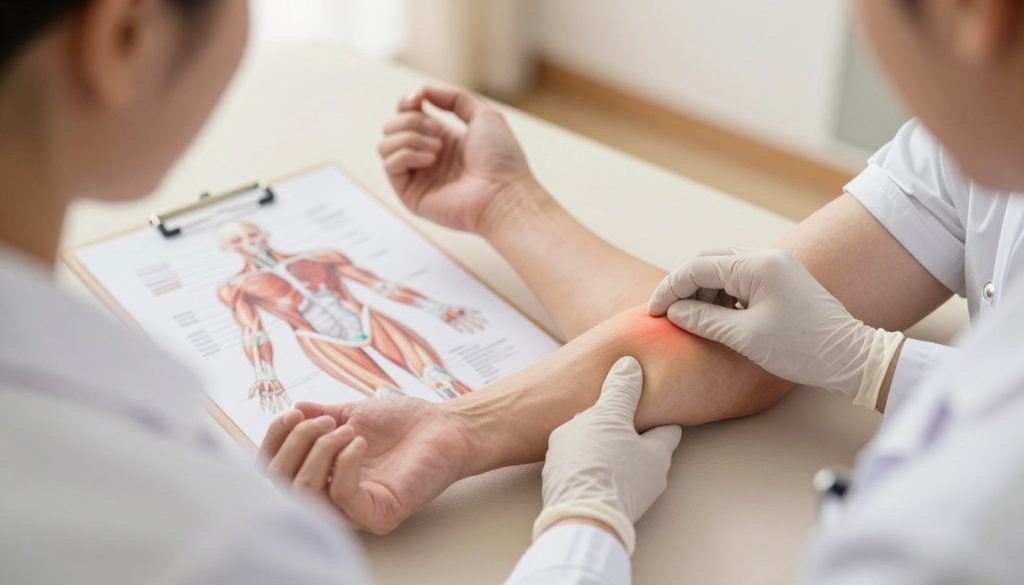
Diagnosing muscle strain or tear typically involves a physical examination by a healthcare provider. They may assess the range of motion, strength, and pain levels. In some cases, imaging tests like ultrasound or MRI may be ordered to confirm the diagnosis and assess the extent of the injury.
Step-by-Step Treatment and Recovery Guide
Recovering from a muscle strain or tear requires a comprehensive approach that addresses both immediate relief and long-term rehabilitation. According to medical professionals, a well-structured treatment plan is crucial for optimal recovery. “The key to successful recovery is a gradual and controlled return to activity,” says Dr. John Smith, a sports medicine specialist.
Step 1: Immediate First Aid (RICE Method)
The first step in treating a muscle strain or tear is immediate first aid using the RICE method: Rest, Ice, Compression, and Elevation. This method helps reduce pain, swelling, and further injury. Rest the affected area, apply Ice for 15-20 minutes every few hours, use Compression bandages to reduce swelling, and Elevate the affected limb above heart level.
Step 2: Pain Management Options
Effective pain management is crucial for recovery. Options include over-the-counter pain relievers such as ibuprofen or acetaminophen. In some cases, a doctor may prescribe stronger pain medication. It’s essential to follow the recommended dosage and consult with a healthcare provider before taking any medication.
Step 3: Rehabilitation Exercises
Once the initial pain and swelling have subsided, rehabilitation exercises can begin. These exercises are designed to restore strength, flexibility, and function to the affected muscle. A physical therapist can create a personalized exercise program. Examples include gentle stretching, strengthening exercises, and functional activities.
Step 4: Gradual Return to Activity
A gradual return to activity is vital to prevent re-injury. This involves a progressive increase in intensity and duration of activities. It’s essential to listen to your body and not rush the process. A gradual return to activity ensures that the muscle is adequately prepared for the demands placed upon it.
Recovery Timeline by Injury Severity
The recovery timeline varies based on the severity of the injury. Mild strains may recover within a few weeks, while severe tears can take several months. Understanding the severity of the injury helps in setting realistic recovery expectations.
| Injury Severity | Recovery Time |
|---|---|
| Mild | 1-3 weeks |
| Moderate | 3-6 weeks |
| Severe | Several months |
By following this step-by-step guide, individuals can ensure a safe and effective recovery from muscle strain and tear injuries. As Dr. Smith emphasizes, “Patience and adherence to the treatment plan are key to a successful recovery.”
Conclusion
Understanding muscle strain and muscle tear injuries is crucial for effective prevention, diagnosis, and treatment. By recognizing the causes, symptoms, and severity of these injuries, individuals can take proactive steps to manage their recovery and return to their normal activities.
A muscle strain or tear can significantly impact daily life, but with the right approach, healing is achievable. The RICE method, pain management, rehabilitation exercises, and a gradual return to activity are all essential components of the recovery process.
By being aware of the risks associated with physical activities and underlying conditions, individuals can better protect themselves against muscle injuries. If a muscle strain or tear does occur, seeking medical attention and following a structured treatment plan can help ensure a safe and successful recovery.