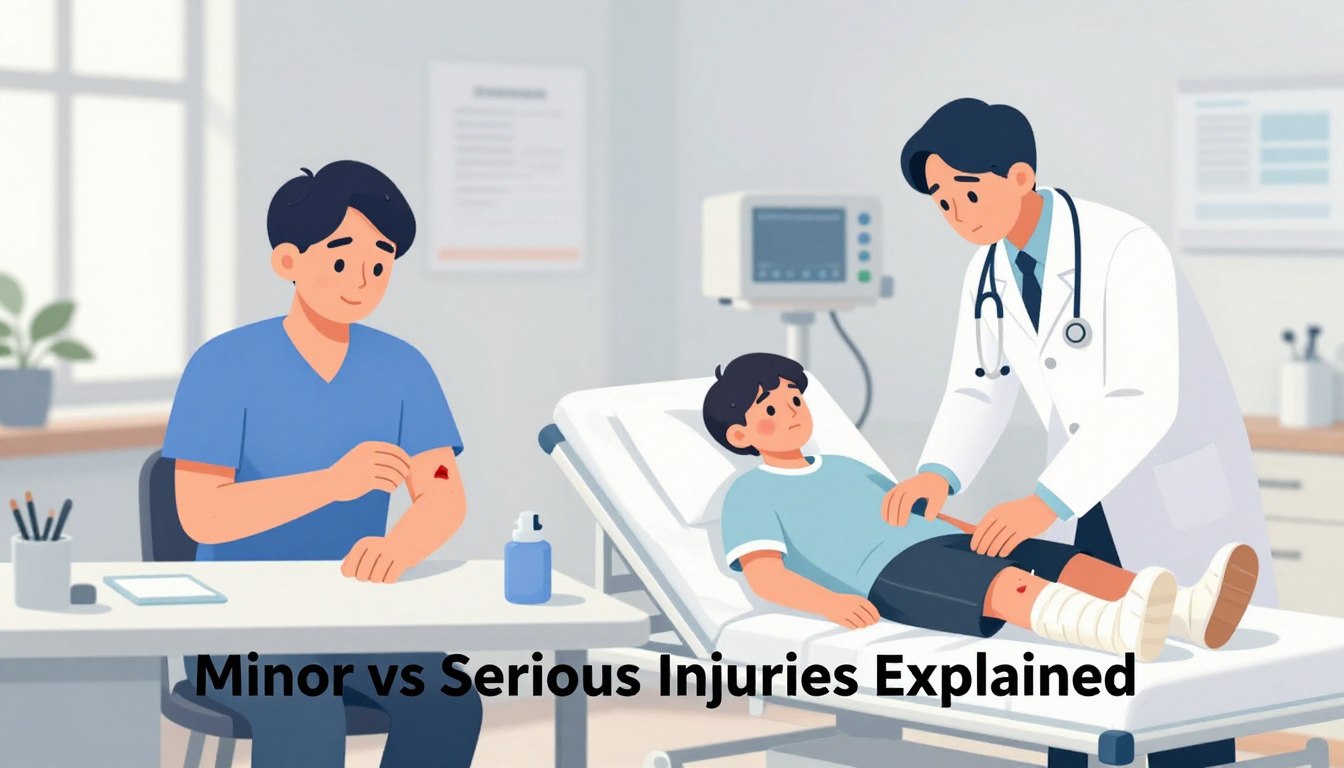
Have you ever wondered what sets apart a minor scrape from a serious condition that requires immediate medical attention? Understanding the difference is crucial for proper treatment and care.
The distinction between minor and serious injuries affects how individuals respond to and recover from various types of injuries. In this guide, we’ll explore the key differences, helping you make informed decisions about your health.
Knowing how to identify the severity of an injury can be a lifesaver. It can help prevent further damage and ensure you receive the right treatment.
Key Takeaways
Table of Contents
- Understanding the difference between minor and serious injuries is vital.
- Proper identification can lead to better treatment and care.
- Informed decisions about your health can be made with the right knowledge.
- Knowing when to seek medical attention can prevent further damage.
- Recovery processes vary greatly between minor and serious injuries.
Understanding Injury Classification
Injury classification is a critical process that helps medical professionals decide on the best course of treatment. This process involves evaluating the type, severity, and impact of an injury on an individual’s health.
How Medical Professionals Categorize Injuries
Medical professionals categorize injuries based on their severity, which can range from minor to severe. Minor injuries are typically those that do not require extensive medical intervention and have a short recovery time. In contrast, serious injuries often necessitate immediate medical attention and can have long-term health implications.
The Importance of Proper Injury Assessment
Proper injury assessment is vital because it directly influences the treatment plan. Accurate assessment ensures that the injury is treated appropriately, reducing the risk of complications. It also helps in identifying potential long-term effects of the injury.
Impact of Age and Health on Injury Severity
The severity of an injury can be significantly influenced by the individual’s age and overall health. For instance, older adults or those with pre-existing health conditions may experience more severe outcomes from injuries that might be considered minor in healthier individuals. Understanding these factors is crucial for providing effective care.
By understanding how injuries are classified and the factors that influence their severity, individuals can better recognize when to seek medical attention, ensuring they receive the appropriate level of care.
Minor vs Serious Injuries Explained: Key Differences
Understanding the distinction between minor and serious injuries is crucial for proper treatment and recovery. When an injury occurs, determining its severity is essential to decide the appropriate course of action.
Pain Level and Duration
One of the primary differences between minor and serious injuries is the level of pain and how long it lasts. Minor injuries typically cause mild to moderate pain that subsides relatively quickly, often within a few days. In contrast, serious injuries can result in severe pain that persists for a longer duration, sometimes requiring medical intervention to manage.
Pain management is a critical aspect of recovery, and the approach can vary significantly based on the injury’s severity. For instance, minor injuries might be managed with over-the-counter pain relievers, while serious injuries may require prescription medication or other interventions.
Functional Limitations
The extent to which an injury limits one’s ability to perform daily activities or specific functions is another key differentiator. Minor injuries may cause temporary inconvenience but generally do not significantly impair daily functioning. On the other hand, serious injuries can lead to substantial functional limitations, affecting an individual’s ability to work, engage in physical activities, or even perform simple tasks.
Recovery Timeline
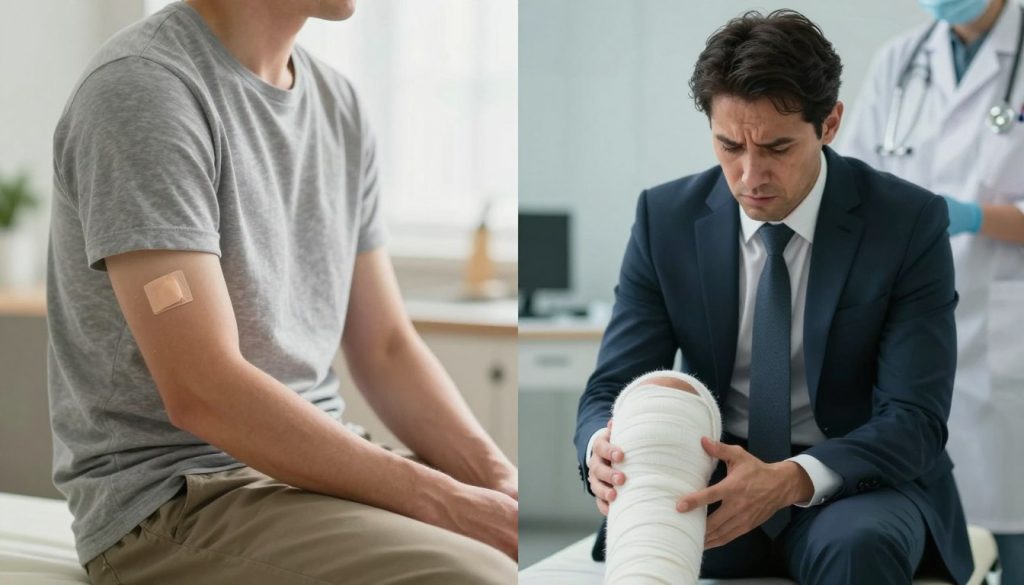
The recovery timeline is also a significant factor in distinguishing between minor and serious injuries. Minor injuries usually have a short recovery period, often healing within a few days to a couple of weeks. Serious injuries, however, can have a prolonged recovery timeline, sometimes requiring weeks, months, or even years to fully recover.
Long-term Health Implications
Lastly, the long-term health implications of an injury can vary greatly depending on its severity. Minor injuries typically do not have lasting effects on overall health, whereas serious injuries can lead to chronic conditions, long-term disability, or other lasting health issues.
| Characteristics | Minor Injuries | Serious Injuries |
|---|---|---|
| Pain Level and Duration | Mild to moderate pain, short duration | Severe pain, long duration |
| Functional Limitations | Temporary, minimal impact | Significant, lasting impact |
| Recovery Timeline | Short, typically days to weeks | Prolonged, often months to years |
| Long-term Health Implications | Generally none | Often significant, chronic conditions |
By understanding these key differences, individuals can better assess their injuries and seek the appropriate level of care, ensuring the best possible outcome for their specific situation.
Common Types of Minor Injuries
Understanding minor injuries is crucial for effective home treatment and recovery. Minor injuries are common and can occur during daily activities, sports, or accidents. Knowing how to identify and treat them can make a significant difference in recovery time and overall health.
Superficial Cuts and Scrapes
Superficial cuts and scrapes are among the most common minor injuries. They can result from falls, sharp objects, or friction against rough surfaces. Proper cleaning and dressing are key to preventing infection. It’s essential to clean the wound with mild soap and water, apply an antibiotic ointment, and cover it with a bandage.
Minor Sprains and Strains
Minor sprains and strains occur when ligaments or muscles are stretched beyond their normal range. Rest, Ice, Compression, and Elevation (RICE) are the cornerstones of treatment. Over-the-counter pain relievers can also help manage pain and inflammation.
Bruises and Contusions
Bruises and contusions result from blood leakage into the tissues following a blow or fall. Applying ice and elevating the affected area can reduce swelling. Monitoring for signs of infection or severe bruising is crucial.
First-Degree Burns
First-degree burns affect the outer layer of the skin and can result from sun exposure, minor scalds, or brief contact with hot surfaces. Cooling the burn with running water and applying a topical ointment can aid healing.
For first-degree burns, home treatment involves cooling the burn, applying antibiotic ointment, and covering it with a non-stick dressing. Over-the-counter pain medication can help manage discomfort.
Recovery Expectations
Most first-degree burns heal within a few days to a week without scarring. Keeping the burn moisturized and protected from further irritation can speed up recovery. It’s also important to watch for signs of infection, such as increased redness, swelling, or pus.
Recognizing Serious Injuries
Recognizing serious injuries is crucial for timely medical intervention and preventing long-term damage. Serious injuries can range from fractures and dislocations to deep lacerations and head trauma, each requiring immediate and appropriate care.
Fractures and Dislocations
Fractures and dislocations are serious orthopedic injuries that can result from significant trauma, such as falls or vehicle accidents. Symptoms include severe pain, swelling, and deformity of the affected limb.
Emergency Response Steps: Immobilize the affected area to prevent further injury, and seek immediate medical attention.
Deep Lacerations and Puncture Wounds
Deep lacerations and puncture wounds can lead to significant blood loss and infection if not treated promptly. These injuries often require stitches or further surgical intervention.
Emergency Response Steps: Apply pressure to stop bleeding, clean the wound with mild soap and water, and cover it with a sterile bandage.

Concussions and Head Trauma
Concussions and head trauma can have serious and long-lasting effects, including cognitive impairment and increased risk of future brain injuries. Symptoms include confusion, headache, and dizziness.
Emergency Response Steps: Monitor the individual for signs of worsening condition, such as increased confusion or difficulty staying awake, and seek immediate medical help.
Second and Third-Degree Burns
Second and third-degree burns extend beyond the outer layer of skin, causing blisters, pain, and potentially permanent scarring. These burns require immediate medical attention to prevent infection and promote healing.
Emergency Response Steps
- Cool the burn with cool (not cold) water for 10-15 minutes.
- Cover the burn with a non-stick, sterile dressing.
- Avoid applying ice, butter, or ointments.
What Not To Do
When dealing with serious injuries, it’s as important to know what not to do as it is to know the correct actions. Avoid moving the injured person unless absolutely necessary, as this can exacerbate the injury.
Do not attempt to realign a fractured limb or remove objects embedded in the skin, as this can cause further damage.
When to Seek Medical Attention
It’s essential to recognize when a minor injury becomes a serious health concern. Understanding the severity of an injury is crucial for determining the appropriate course of action.
Warning Signs That Require Immediate Care
Certain symptoms indicate that an injury requires immediate medical attention. These include:
- Increasing pain or swelling
- Difficulty moving the affected area
- Signs of infection, such as redness, warmth, or pus
- Deformity or instability of a limb
If you experience any of these symptoms, it’s vital to seek medical help promptly.
Self-Care vs. Professional Treatment
While minor injuries can often be treated with self-care, more severe injuries require professional medical attention. Understanding the difference is key to proper recovery.
| Injury Type | Self-Care | Professional Treatment |
|---|---|---|
| Minor Cuts | Clean and bandage | Stitches if deep |
| Sprains | Rest, Ice, Compression | Physical therapy if severe |
| Fractures | Immobilize | Casting or surgery |
The Dangers of Neglecting Serious Injuries
Neglecting serious injuries can lead to long-term health complications, including chronic pain and disability. As one medical expert notes,
“Prompt medical attention can significantly improve outcomes for individuals with serious injuries.”
Navigating Insurance and Medical Care
Understanding your insurance coverage is essential for accessing necessary medical care. Review your policy to know what is covered and what steps to take next.
By being informed and proactive, you can ensure that you receive the appropriate medical attention when needed.
Conclusion
Recognizing the difference between minor and serious injuries is crucial for effective treatment and recovery. By understanding injury classification, individuals can make informed decisions about their health and well-being.
The distinction between minor and serious injuries is not always clear-cut, but certain factors can help determine the severity of an injury. Factors such as pain level, functional limitations, and recovery timeline all play a role in injury classification.
By being aware of these factors and knowing when to seek medical attention, individuals can take control of their health and reduce the risk of long-term complications. Proper care and treatment can significantly impact the outcome of an injury, making it essential to understand the difference between minor and serious injuries.