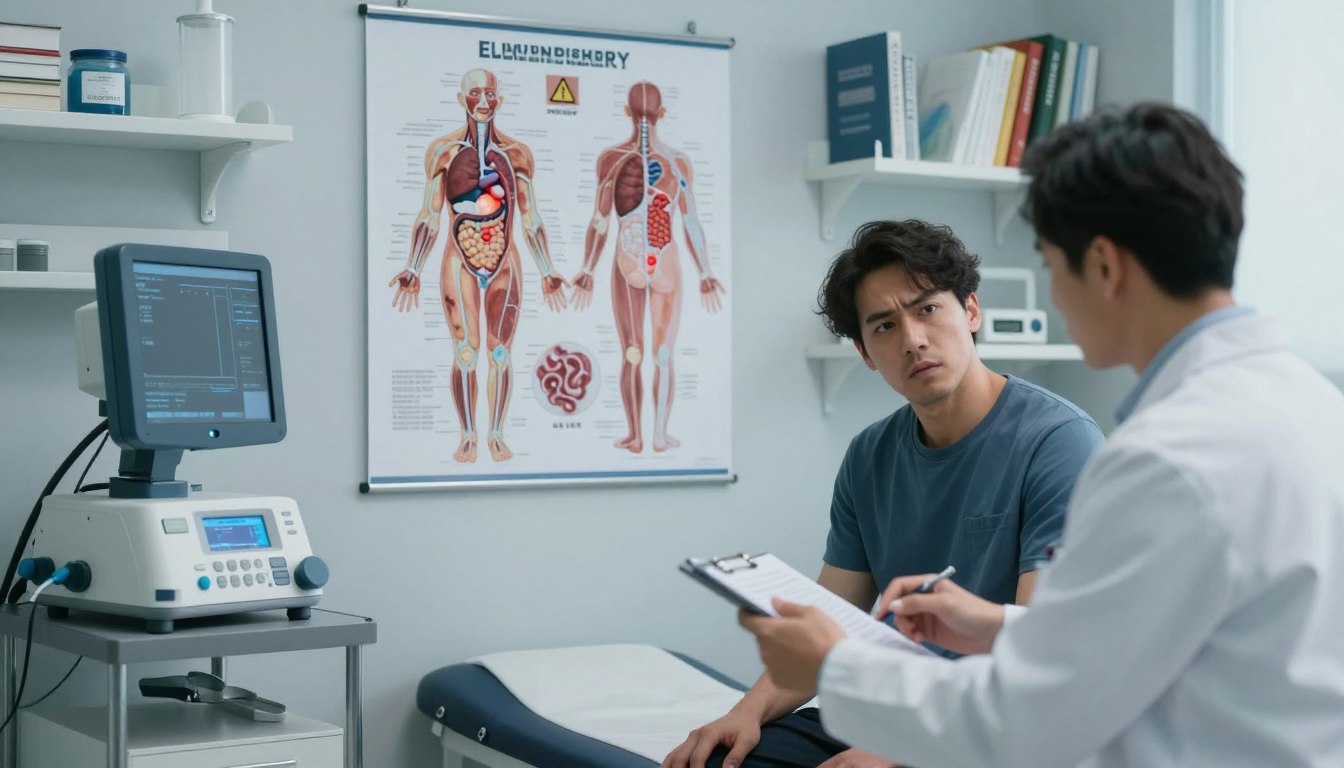
Have you ever experienced a situation where you or someone you know suffered an accident, only to discover later that there were hidden complications? It’s a frightening reality that many people face, often due to undetected internal injuries.
Recognizing the warning signs of internal injuries is crucial for timely medical intervention. The consequences of ignoring these signs can be severe, making it essential to be aware of the symptoms that indicate a deeper issue.
Understanding the importance of identifying these signs can be a matter of life and death. By being informed, you can take the first step towards ensuring your safety and the safety of those around you.
Key Takeaways
Table of Contents
- Recognizing the signs of internal injuries is crucial for timely medical intervention.
- Ignoring warning signs can lead to severe consequences.
- Being aware of the symptoms can help identify deeper issues.
- Understanding internal injury warning signs can be a matter of life and death.
- Being informed is the first step towards ensuring safety.
Understanding Internal Injuries
The human body is susceptible to various types of injuries, and internal injuries are among the most dangerous due to their often-hidden nature. Internal injuries occur when there is damage to the internal organs or tissues, which can happen due to various reasons such as accidents, falls, or assaults.
What Constitutes an Internal Injury
An internal injury refers to any damage that affects the internal organs or structures of the body. This can include injuries to the brain, lungs, liver, spleen, or other vital organs. Such injuries can be caused by blunt trauma, penetrating trauma, or even sudden deceleration.
Common Causes of Internal Trauma
Internal trauma can result from various incidents, including vehicle accidents, sports injuries, physical assaults, or falls from heights. The force of the impact can cause internal organs to bruise, rupture, or become damaged.
| Cause | Description |
|---|---|
| Vehicle Accidents | High-impact crashes can cause internal injuries due to the force exerted on the body. |
| Sports Injuries | Contact sports can lead to internal injuries from collisions or falls. |
| Physical Assaults | Violent blows to the body can cause internal damage. |
Why Internal Injuries Are Often Overlooked
Internal injuries are often overlooked because their symptoms may not be immediately apparent. It’s crucial to be aware of the potential for internal injuries after any traumatic event and to seek medical attention if there are any signs or symptoms.
Internal Injury Signs and Symptoms: An Overview
Internal injuries can manifest through a variety of signs and symptoms, some of which may not be immediately apparent. Recognizing these indicators is crucial for timely medical intervention.
General Warning Signs
Some common signs of internal injuries include persistent pain, swelling, and bruising in the affected area. Additionally, individuals may experience dizziness, nausea, or vomiting. It’s essential to be aware of these general warning signs to seek medical help when needed.
- Persistent pain or tenderness
- Swelling or bruising
- Dizziness or fainting
- Nausea or vomiting
The Difference Between Obvious and Subtle Symptoms
While some internal injury symptoms are overt, others can be quite subtle. For instance, a person might experience mild discomfort that gradually worsens over time. Being able to distinguish between obvious and subtle symptoms is vital for accurate diagnosis and treatment.
Obvious symptoms might include severe pain or difficulty moving, whereas subtle symptoms could be mild pain or slight changes in behavior. Understanding the difference is key to providing appropriate care.
Why Symptoms May Be Delayed
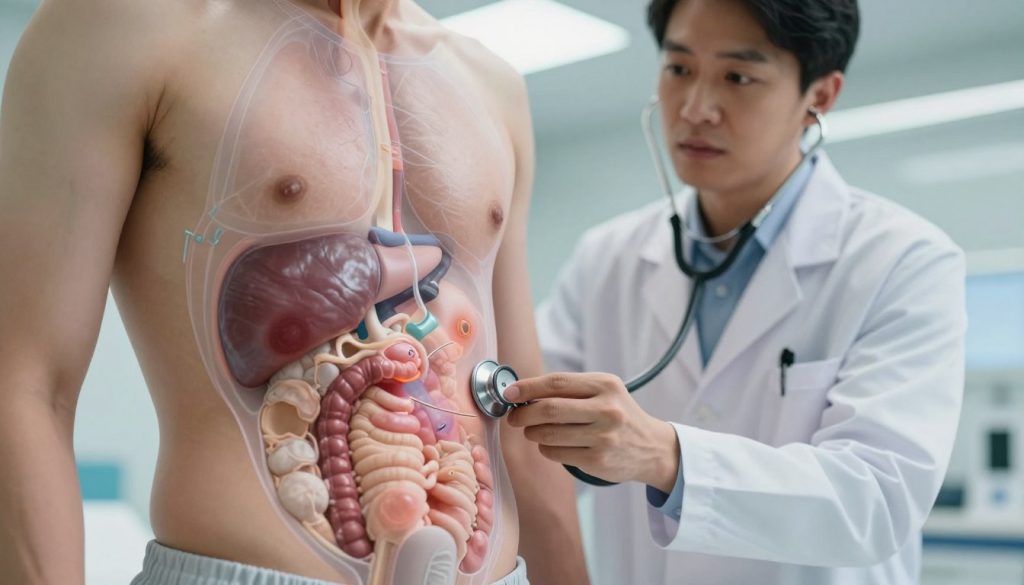
In some cases, the symptoms of internal injuries may be delayed. This delay can occur due to various factors, including the body’s initial response to trauma or the gradual progression of the injury. It’s crucial to monitor for potential symptoms even if they are not immediately apparent.
- Initial adrenaline response masking pain
- Gradual progression of the injury
- Internal bleeding that becomes apparent later
Being aware of the signs and symptoms of internal injuries and understanding why some may be delayed can significantly impact the effectiveness of the treatment. If you suspect an internal injury, it’s always best to consult with a medical professional.
Recognizing Head and Chest Injury Indicators
Recognizing the signs of head and chest injuries is crucial for timely medical intervention. These injuries can be particularly dangerous due to their potential for causing significant internal damage.
Brain Injury Warning Signs
Brain injuries can manifest through various symptoms. It’s essential to watch for both cognitive and behavioral changes, as well as physical symptoms.
Cognitive and Behavioral Changes
Changes in cognitive function or behavior can be indicative of a brain injury. These may include confusion, disorientation, memory loss, or mood swings. Such changes can be subtle, so it’s crucial to monitor them closely.
Physical Symptoms
Physical symptoms of brain injury can range from mild headaches to severe seizures. Other signs include dizziness, nausea, and in severe cases, loss of consciousness.
Chest Trauma Symptoms
Chest trauma can affect various internal organs, including the lungs and heart, as well as the ribcage and sternum.
Lung and Heart Injury Signs
Symptoms of lung and heart injuries can include shortness of breath, chest pain, or an irregular heartbeat. These signs indicate potential damage to these critical organs.
Rib and Sternum Damage Indicators
Rib and sternum injuries often result in pain during breathing or movement. Visible bruising or deformity can also be indicative of such damage.
| Symptom | Possible Injury |
|---|---|
| Confusion, disorientation | Brain Injury |
| Shortness of breath, chest pain | Lung or Heart Injury |
| Pain during breathing or movement | Rib or Sternum Damage |
Identifying Abdominal and Pelvic Internal Injuries
Recognizing the signs of abdominal and pelvic internal injuries is crucial for timely medical intervention. Internal injuries in these areas can be particularly dangerous due to the presence of vital organs.
Abdominal Organ Damage Symptoms
Damage to abdominal organs such as the liver, spleen, kidney, and bladder can manifest through various symptoms. It’s essential to be aware of these signs to detect internal injuries early.
Liver and Spleen Injury Signs
Injuries to the liver and spleen can cause severe internal bleeding. Symptoms may include abdominal tenderness, pain that radiates to the shoulder, and signs of shock such as pale skin and rapid heartbeat.
Kidney and Bladder Trauma Indicators
Kidney and bladder injuries can result in hematuria (blood in the urine), abdominal pain, and difficulty urinating. These symptoms require immediate medical attention.
Pelvic Injury Warning Signs
Pelvic injuries can be identified by pain in the groin or pelvic area, difficulty walking, and instability in the pelvic region. These injuries often require careful handling to prevent further damage.
Recognizing Internal Bleeding in the Torso
Internal bleeding in the torso can be life-threatening. Signs include severe abdominal pain, rapid heart rate, and low blood pressure. Prompt recognition of these symptoms is critical.
| Organ | Common Injury Signs |
|---|---|
| Liver | Abdominal tenderness, pain radiating to the shoulder |
| Spleen | Abdominal pain, signs of shock |
| Kidney | Hematuria, abdominal pain |
| Bladder | Difficulty urinating, abdominal pain |

Detecting Internal Injuries After Accidents
Detecting internal injuries after an accident can be challenging without the right knowledge. Internal injuries may not always be immediately apparent, making it crucial to know what signs to look for.
Step-by-Step Post-Accident Assessment
After an accident, assessing for internal injuries involves checking for both obvious and subtle symptoms. Start by looking for visible signs of trauma, such as bruising or swelling. Then, monitor for symptoms like dizziness, nausea, or severe pain.
Monitoring for Delayed Symptoms
Some internal injuries may not show symptoms right away. It’s essential to keep a close eye on the injured person for any changes in condition, such as increasing pain or difficulty breathing.
Special Considerations for High-Risk Groups
Certain groups are more vulnerable to internal injuries and require extra attention. These include children, the elderly, and individuals with pre-existing medical conditions.
Children and Infants
Children and infants may not be able to communicate their symptoms effectively. Watch for signs like fussiness, lethargy, or refusal to feed.
Elderly Individuals
Elderly individuals may have pre-existing conditions that complicate the diagnosis of internal injuries. Monitor them closely for any changes in behavior or condition.
People with Pre-existing Conditions
People with conditions like osteoporosis or previous surgeries may be more susceptible to internal injuries. Be aware of their specific risks and monitor accordingly.
When to Seek Immediate Medical Attention
Knowing when to seek immediate medical attention is crucial for preventing further complications from internal injuries. Internal injuries can sometimes be subtle, with symptoms developing gradually over time. However, certain signs indicate a need for urgent medical care.
Emergency Warning Signs That Require 911
If you or someone else experiences severe symptoms such as difficulty breathing, severe abdominal pain, or vomiting blood after an accident, it’s critical to call 911 immediately. Other emergency warning signs include severe headache, confusion, or loss of consciousness, which could indicate a serious head injury. Acting quickly can significantly improve outcomes in these situations.
Critical Information to Share with Medical Professionals
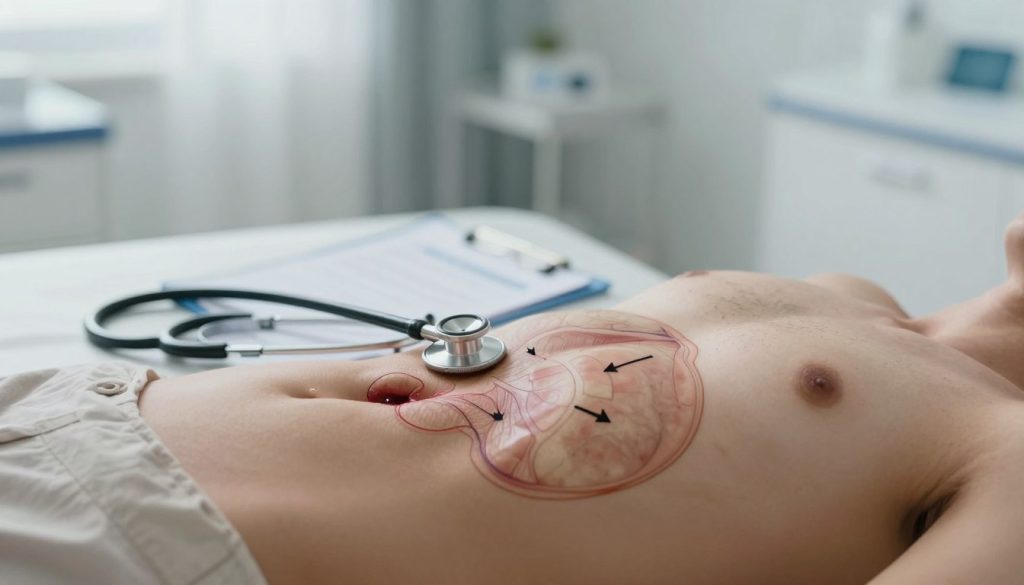
When seeking medical attention, it’s vital to provide as much detail as possible about the accident and your symptoms. This includes describing the mechanism of injury, any pain or discomfort you’re experiencing, and any changes in your condition since the accident. Sharing this information helps medical professionals assess the severity of your internal injuries and determine the best course of treatment.
What to Expect During Medical Evaluation
During your medical evaluation, healthcare providers will perform a thorough examination, which may include imaging tests like X-rays, CT scans, or an MRI to assess the extent of your internal injuries. They will also monitor your vital signs and watch for any signs of deterioration. Understanding what to expect can help reduce anxiety and ensure you’re prepared to provide the necessary information for effective care.
Detecting Internal Injuries: A Call to Vigilance
Recognizing the signs and symptoms of internal injuries is crucial for timely medical intervention. By understanding the common internal injury signs and being aware of the internal injury indicators, individuals can take the first step towards seeking appropriate care.
Using an internal injury symptoms checker can help identify potential issues, but it is not a substitute for professional medical evaluation. If you suspect someone has sustained an internal injury, it is essential to monitor their condition closely and seek immediate medical attention if their symptoms worsen or if they exhibit signs of internal physical trauma.
Being proactive about one’s health and the health of others can make a significant difference in outcomes. By staying informed and recognizing internal injury symptoms, individuals can detect internal injuries early, potentially saving lives.