
Are you aware of the most common hazards lurking in your work environment that could lead to serious injuries? Understanding the prevalent workplace accident types is crucial for both employers and employees to ensure a safe working condition.
Every year, numerous individuals suffer from various work-related injuries, some of which can have long-lasting effects on their health and career. By familiarizing yourself with workplace injury statistics and the most common accidents, you can take proactive steps to mitigate these risks.
Key Takeaways
Table of Contents
- Understanding the most prevalent types of workplace accidents.
- Recognizing the importance of workplace safety measures.
- Learning from workplace injury statistics to prevent future accidents.
- Identifying common workplace injuries and their causes.
- Taking proactive steps to ensure a safe working environment.
Understanding Workplace Accidents and Their Impact
Understanding the nature and consequences of workplace accidents is crucial for developing effective prevention strategies. Workplace accidents can result in injuries, fatalities, and significant economic losses.
Defining Workplace Accidents
A workplace accident is an unforeseen event that occurs during the course of employment, resulting in injury or illness to an employee. These incidents can be attributed to various factors, including unsafe working conditions and human error.
Current Workplace Injury Statistics in the United States
According to recent statistics, thousands of workers are injured on the job every year in the United States. The Bureau of Labor Statistics reports that in 2020, there were approximately 2.8 million nonfatal workplace injuries and illnesses.
Economic and Human Cost of Workplace Accidents
The economic and human costs of workplace accidents are substantial. Beyond the immediate medical expenses, workplace accidents can lead to lost productivity, legal liabilities, and long-term health consequences for affected employees.
The Complete Workplace Accident Types Guide
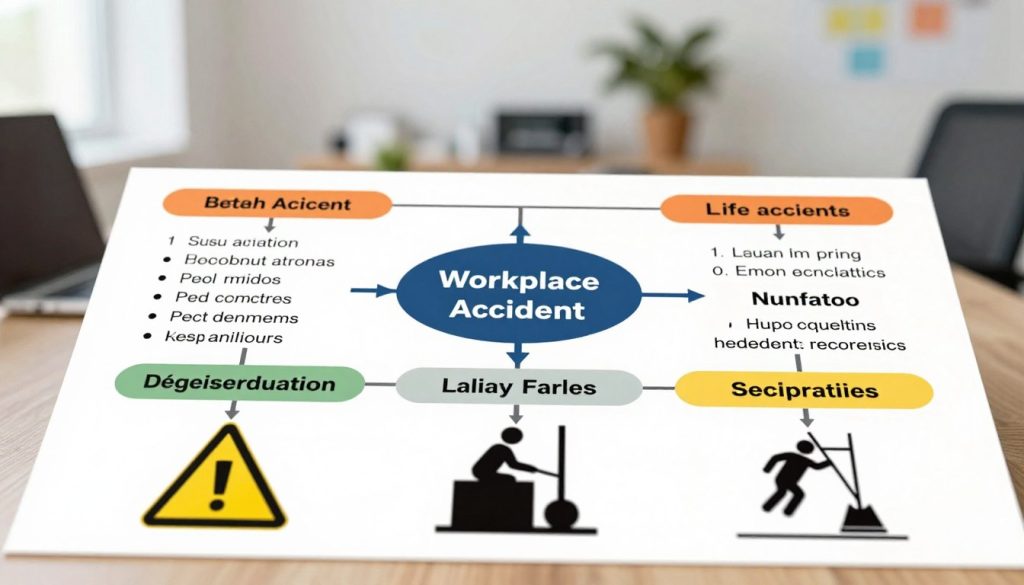
Workplace accidents encompass a broad spectrum of incidents, each with its unique causes and prevention strategies. Understanding these different types is crucial for employers and employees alike to ensure a safe working environment.
Slips, Trips, and Falls
Slips, trips, and falls are among the most common workplace accidents. They can occur due to various factors such as wet floors, uneven surfaces, or obstructed walkways.
Common Causes and Risk Factors
Common causes include poor housekeeping, inadequate lighting, and wet or slippery surfaces. Identifying these risk factors is the first step in prevention.
Prevention Techniques
Prevention techniques involve maintaining clean and dry floors, improving lighting, and ensuring that walkways are clear of obstacles. Regular safety audits can help identify potential hazards.
Overexertion and Bodily Reaction
Overexertion and bodily reaction injuries are another prevalent type of workplace accident. These often result from lifting heavy objects, repetitive motions, or awkward postures.
Identifying Ergonomic Hazards
Identifying ergonomic hazards involves assessing the workplace for tasks that may lead to overexertion or strain. This includes evaluating lifting tasks and workstation setups.
Safe Lifting Practices
Implementing safe lifting practices, such as bending at the knees and lifting with the legs, can significantly reduce the risk of overexertion injuries.
Contact with Objects and Equipment
Contact with objects and equipment can result in serious injuries, including cuts, bruises, and crushing injuries. This can occur when workers are struck by falling objects or caught in machinery.
Transportation Incidents
Transportation incidents, including vehicle collisions and pedestrian-vehicle accidents, are a significant concern in many workplaces, particularly in industries involving heavy machinery or vehicle operation.
Exposure to Harmful Substances
Exposure to harmful substances can lead to a range of health issues, from respiratory problems to long-term illnesses like cancer. Proper handling and storage of hazardous materials are critical.
Industry-Specific Workplace Hazards
Workplace hazards vary significantly across different industries, necessitating tailored safety measures. Understanding these industry-specific risks is crucial for effective workplace accident prevention and maintaining a safe working environment.
Construction Industry Risks
The construction industry is particularly hazardous due to its dynamic nature and the variety of tasks involved. Workers are often exposed to heights, heavy machinery, and construction materials.
Fall Protection Measures
Implementing robust fall protection measures is critical in construction. This includes using personal fall arrest systems, ensuring proper scaffolding, and maintaining safe distances from edges.
Equipment Safety Protocols
Regular maintenance and inspection of equipment, along with proper training for operators, are essential occupational safety tips for minimizing risks associated with heavy machinery.
Manufacturing Sector Dangers
Manufacturing environments pose unique hazards, including machinery-related injuries and exposure to harmful substances. Adhering to workplace safety regulations and using personal protective equipment (PPE) can significantly reduce these risks.
Healthcare Workplace Hazards
Healthcare workers face a range of hazards, from biological exposures to ergonomic risks. Implementing safe patient handling practices and providing appropriate PPE are vital for protecting healthcare workers.
Office Environment Risks
Even office environments are not without risk. Common hazards include ergonomic issues, slips, trips, and falls. Promoting occupational safety tips such as proper workstation setup and regular breaks can help mitigate these risks.
By understanding and addressing these industry-specific hazards, employers can create a safer work environment and reduce the incidence of workplace accidents.
Effective Workplace Accident Prevention Strategies
A proactive approach to workplace safety involves employing robust accident prevention measures. By creating a safety-first culture, providing regular training, and utilizing proper equipment and protocols, employers can significantly reduce the risk of workplace accidents.
Creating a Safety-First Culture
Establishing a safety-first culture is foundational to preventing workplace accidents. This involves fostering an environment where safety is a top priority, and all employees are encouraged to identify and report potential hazards. Leadership commitment to safety is crucial in setting the tone for the entire organization.
Implementing Regular Safety Training Programs
Regular safety training is essential for equipping employees with the knowledge and skills needed to work safely.
Required OSHA Training Elements
OSHA training elements include hazard recognition, proper use of personal protective equipment (PPE), and emergency procedures. Ensuring compliance with OSHA regulations is vital for maintaining a safe work environment.
Effective Training Methods
Effective training methods include hands-on training, interactive modules, and regular drills. These methods help reinforce safety protocols and ensure that employees are prepared to respond to emergencies.
| Training Method | Description | Benefits |
|---|---|---|
| Hands-on Training | Practical, in-person training | Improved skill retention, confidence |
| Interactive Modules | Engaging, online training modules | Flexibility, self-paced learning |
| Regular Drills | Periodic practice of emergency procedures | Preparedness, quick response |
Utilizing Proper Equipment and Protocols
Using the right equipment and following established safety protocols are critical components of workplace accident prevention. This includes regular maintenance of equipment and ensuring that all employees understand and follow safety procedures.

Conducting Workplace Safety Audits
Regular safety audits help identify potential hazards and assess the effectiveness of current safety measures. These audits are essential for maintaining a proactive approach to workplace safety.
Workplace Hazard Identification Techniques
Recognizing hazards in the workplace is the first step towards creating a safer workplace. Effective hazard identification techniques help in preventing accidents and ensuring a healthy work environment.
Step-by-Step Hazard Assessment Methods
A systematic approach to hazard assessment involves identifying potential hazards, assessing the risks associated with them, and implementing controls to mitigate these risks. This process should be thorough and involve all levels of the organization.
Using Technology for Hazard Detection
Technology plays a significant role in modern hazard detection. Tools such as hazard detection software and sensors can identify potential hazards before they become incidents. These technologies can be particularly useful in complex or high-risk environments.
Establishing Employee Hazard Reporting Systems
Encouraging employees to report hazards is crucial. This involves creating accessible reporting channels and encouraging active participation.
Creating Accessible Reporting Channels
Reporting channels should be easy to use and accessible to all employees. This could include online reporting systems or simple, anonymous reporting methods.
Encouraging Active Participation
To encourage reporting, it’s essential to foster a culture where employees feel safe reporting hazards without fear of reprisal. Regular training and feedback can help achieve this.
Steps to Take After a Workplace Accident Occurs
When a workplace accident occurs, it’s crucial to respond quickly and effectively to minimize harm and ensure a smooth recovery process. The immediate response can significantly impact the outcome for those involved and the overall workplace safety culture.
Immediate Response and First Aid Procedures
Providing immediate care is essential. This includes administering first aid if necessary and calling emergency services if the situation warrants it. Ensuring that first aid kits are readily available and that staff are trained in basic first aid procedures is a critical component of workplace safety.

How to Document and Report Workplace Accidents
Accurate documentation and timely reporting of workplace accidents are crucial for legal compliance and for identifying areas for improvement in workplace safety.
Required Documentation Forms
Employers should have a standardized process for documenting accidents, which typically includes completing an incident report form. This form should capture details about the accident, including the date, time, location, and a description of what happened.
Reporting Timelines and Requirements
There are specific timelines and requirements for reporting workplace accidents to regulatory bodies such as OSHA. Employers must be aware of these requirements to ensure compliance.
| Reporting Requirement | Timeline |
|---|---|
| Reporting to OSHA | Within 8 hours for fatalities, 24 hours for certain serious injuries |
| Internal Reporting | Immediately or as soon as practicable |
Conducting Accident Investigation
An accident investigation should be conducted to determine the root cause of the incident. This involves gathering evidence, interviewing witnesses, and analyzing data to understand what happened and how similar incidents can be prevented in the future.
“The key to a successful accident investigation is not to place blame, but to identify the underlying causes and implement corrective actions to prevent recurrence.”
Implementing Corrective Actions
Based on the findings of the accident investigation, employers should implement corrective actions. This could involve updating safety procedures, providing additional training to employees, or modifying equipment or the work environment to mitigate risks.
By following these steps, employers can not only comply with legal requirements but also foster a safer and more resilient workplace culture.
Understanding Workplace Injury Compensation and Legal Rights
Knowing your rights regarding workplace injury compensation can significantly impact your ability to recover fully. Workplace accidents not only cause physical harm but also lead to financial and legal complexities.
Navigating Workers’ Compensation Claims
Workers’ compensation is a state-mandated insurance program that provides benefits to employees who suffer work-related injuries or illnesses. To navigate this system effectively, understanding the filing deadlines and procedures is crucial.
Filing Deadlines and Procedures
The process of filing a workers’ compensation claim involves several steps, including notifying your employer about the injury, seeking medical attention, and submitting the necessary paperwork. It’s essential to adhere to the filing deadlines, which vary by state.
Covered Injuries and Benefits
Workers’ compensation covers a range of injuries and illnesses, from acute accidents to occupational diseases. The benefits typically include medical expenses, lost wages, and rehabilitation costs. Understanding what is covered can help you make informed decisions about your claim.
| Type of Benefit | Description |
|---|---|
| Medical Benefits | Covers medical expenses related to the injury or illness. |
| Lost Wage Benefits | Compensates for wages lost due to inability to work. |
| Rehabilitation Benefits | Covers costs associated with vocational rehabilitation. |
Employee Rights After an Accident
After a workplace accident, employees have the right to report the incident without fear of retaliation. They are also entitled to receive medical treatment and file a workers’ compensation claim.
“Employees have the right to a safe workplace and to report hazards without fear of reprisal.” –
Employer Responsibilities Under OSHA Regulations
Employers are required to maintain a safe work environment and comply with OSHA regulations. This includes providing safety training, maintaining records of workplace injuries, and implementing corrective actions to prevent future incidents.
When to Seek Legal Assistance
If your workers’ compensation claim is denied or you’re facing challenges in receiving the benefits you’re entitled to, seeking legal assistance can be beneficial. An attorney specializing in workers’ compensation can help navigate the legal complexities and advocate on your behalf.
Understanding your legal rights and the compensation available to you is crucial in the aftermath of a workplace injury. By knowing what to expect and how to navigate the system, you can focus on your recovery and protect your interests.
Conclusion: Building a Safer Workplace Environment
Creating a safer workplace environment is crucial for preventing workplace accidents and ensuring the well-being of employees. By understanding the most prevalent workplace accident types, such as slips, trips, and falls, and implementing effective prevention measures, employers can significantly reduce the risk of injuries.
Workplace safety regulations play a vital role in maintaining a safe work environment. Employers must adhere to these regulations and provide regular occupational safety tips training to employees. This includes conducting workplace hazard identification and implementing corrective actions when necessary.
By prioritizing workplace accident prevention and following workplace safety regulations, employers can foster a culture of safety, reducing the economic and human costs associated with workplace accidents. It’s essential for organizations to continually assess and improve their safety protocols to ensure a safer workplace for everyone.