
Have you ever wondered what happens when the complex network of our nervous system is damaged? Nerve damage can significantly impact our quality of life, affecting everything from movement to sensation. Understanding the different classifications of nerve impairments is crucial for both medical professionals and individuals affected by such conditions.
The human nervous system is intricate, controlling various bodily functions. When nerve injury occurs, it can lead to a range of complications, from mild discomfort to severe disability. This guide aims to explore the various nerve injury types and their effects on the human body, providing a comprehensive overview for those seeking to understand this complex issue.
Key Takeaways
Table of Contents
- Understanding the basics of the nervous system is essential for grasping the complexities of nerve injuries.
- Different classifications of nerve impairments exist, each with unique implications.
- Nerve damage can significantly impact an individual’s quality of life.
- A comprehensive guide to nerve injury types and their effects can aid in better understanding and managing these conditions.
- Knowledge of nerve injury types is crucial for both medical professionals and affected individuals.
Understanding the Nervous System
Understanding the nervous system is crucial for grasping the impact of nerve injuries and the resulting nerve damage symptoms. The nervous system is a complex network that controls various bodily functions, enabling us to interact with our environment.
The nervous system is broadly categorized into two main components: the central nervous system (CNS) and the peripheral nervous system (PNS).
Central vs. Peripheral Nervous System
The central nervous system, comprising the brain and spinal cord, processes information and coordinates the body’s responses. The peripheral nervous system connects the CNS to the limbs and organs, facilitating communication between the brain and the rest of the body.
How Nerves Function in the Body
Nerves function by transmitting signals between the brain and other parts of the body, controlling both voluntary actions, like movement, and involuntary actions, such as heart rate. Damage to these nerves can lead to various neurological trauma consequences, including loss of sensation or impaired motor function.
Understanding how nerves function is essential for appreciating the effects of nerve injuries and the importance of proper treatment.
Nerve Injury Types and Effects
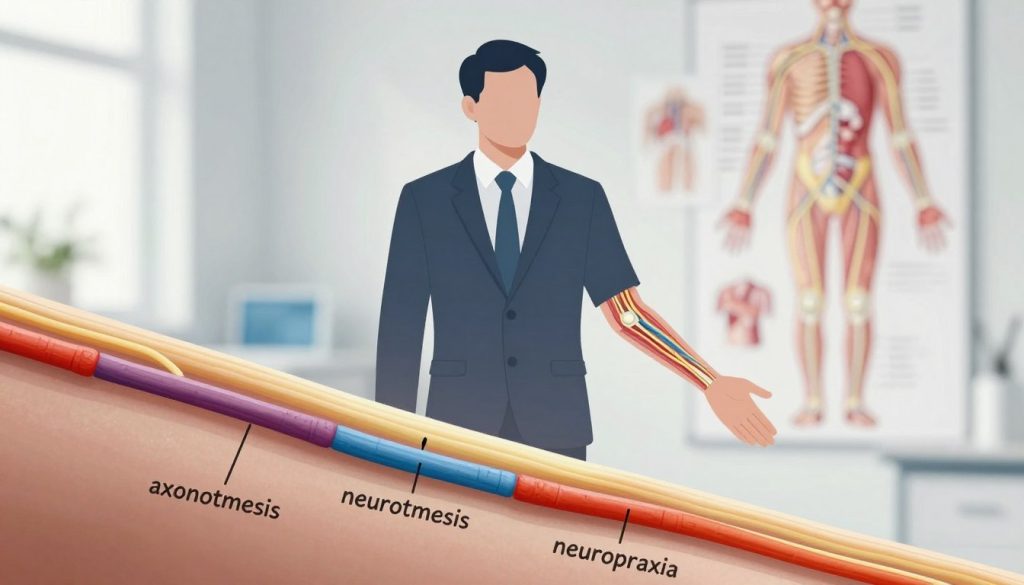
Understanding the nuances of nerve injuries is vital for effective diagnosis and treatment, highlighting the need to explore the different types and their consequences. Nerve injuries can be classified into three main types: neuropraxia, axonotmesis, and neurotmesis.
Neuropraxia: Temporary Nerve Compression
Neuropraxia is a type of nerve injury characterized by temporary compression or pressure on a nerve, leading to nerve function impairment effects. This condition is often reversible with appropriate treatment.
Recovery Timeline and Prognosis
The recovery timeline for neuropraxia is typically short, with most individuals experiencing full recovery within a few weeks.
Axonotmesis: Axon Damage with Intact Sheaths
Axonotmesis involves damage to the axons while leaving the surrounding nerve sheaths intact. This type of injury can result in significant nerve function impairment effects, affecting both sensory and motor functions.
Long-term Implications
The long-term implications of axonotmesis can vary, with some individuals experiencing persistent symptoms if not treated properly.
Neurotmesis: Complete Nerve Severance
Neurotmesis is the most severe form of nerve injury, involving a complete severance of the nerve. This condition often requires surgical intervention to restore nerve function.
Challenges in Recovery
Recovery from neurotmesis is challenging and may involve a lengthy rehabilitation process, including nerve injury treatment options such as physical therapy and potentially surgery.
The following table summarizes the key aspects of the three types of nerve injuries:
| Type of Nerve Injury | Description | Recovery Timeline |
|---|---|---|
| Neuropraxia | Temporary nerve compression | Typically short (weeks) |
| Axonotmesis | Axon damage with intact sheaths | Variable (months to years) |
| Neurotmesis | Complete nerve severance | Lengthy (months to years) |
Causes of Nerve Injuries
Understanding the causes of nerve injuries is crucial for developing effective prevention and treatment strategies. Nerve injuries can result from a variety of factors, and identifying these causes is essential for nerve injury rehabilitation techniques.
Traumatic Injuries
Traumatic injuries are a significant cause of nerve damage. These injuries can occur due to accidents, falls, or sports-related incidents. When a nerve is subjected to trauma, it can suffer damage ranging from mild compression to complete severance. Prompt medical attention is crucial in such cases to prevent long-term damage.
Compression and Entrapment
Nerve compression and entrapment occur when a nerve is pinched or compressed, often due to repetitive motion or anatomical issues. Conditions like carpal tunnel syndrome are examples of nerve entrapment. Understanding the mechanisms of compression and entrapment is vital for developing appropriate treatment plans.
Medical Conditions Leading to Nerve Damage
Certain medical conditions can lead to nerve damage. Diabetes, for instance, can cause diabetic neuropathy, while conditions like multiple sclerosis can result in nerve damage due to demyelination. Managing these conditions effectively is key to preventing nerve injury.
Recognizing the diverse causes of nerve injuries highlights the importance of a comprehensive approach to diagnosis and treatment. By understanding the underlying causes, healthcare providers can tailor nerve injury rehabilitation techniques to individual patient needs, improving outcomes.
Recognizing Nerve Damage Symptoms
Nerve damage can manifest in various ways, making it crucial to recognize the symptoms early. Understanding these symptoms is vital for seeking appropriate medical care and potentially improving outcomes through effective nerve damage recovery strategies.
Sensory Symptoms
Sensory symptoms are a common manifestation of nerve damage, often resulting in numbness, tingling, or pain in the affected areas. These sensations can range from mild to severe and may be constant or intermittent. For instance, diabetic neuropathy often causes tingling or burning sensations in the feet.

Motor Function Impairment
Nerve damage can also impair motor functions, leading to muscle weakness, atrophy, or paralysis. This can significantly affect an individual’s ability to perform daily activities. For example, nerve injuries affecting the hand can make it difficult to grasp objects or perform fine motor tasks.
Autonomic Nervous System Disruption
The autonomic nervous system controls involuntary functions, such as heart rate, digestion, and blood pressure. Nerve damage affecting this system can lead to symptoms like orthostatic hypotension, gastrointestinal disturbances, or abnormal heart rate variability. Recognizing these symptoms is crucial for managing the condition effectively.
Early recognition of these symptoms can facilitate timely intervention, potentially improving the chances of recovery through appropriate nerve damage recovery strategies.
Diagnostic Approaches for Nerve Injuries
Diagnosing nerve injuries requires a comprehensive approach to determine the extent and nature of the damage. Healthcare professionals employ various diagnostic tools to assess nerve injuries accurately.
Physical Examination Techniques
A thorough physical examination is the first step in diagnosing nerve injuries. This involves assessing muscle strength, sensation, and reflexes to identify areas of nerve damage.
Electromyography and Nerve Conduction Studies
Electromyography (EMG) and nerve conduction studies (NCS) are crucial for evaluating the electrical activity of muscles and the speed of nerve signals. These tests help determine the severity and location of nerve injuries.
Advanced Imaging Options
Advanced imaging techniques, such as MRI and CT scans, provide detailed images of the nerves and surrounding tissues. This helps in identifying structural abnormalities and nerve compression.
| Diagnostic Tool | Purpose | Benefits |
|---|---|---|
| Physical Examination | Assess muscle strength, sensation, and reflexes | Identifies areas of nerve damage |
| EMG and NCS | Evaluate electrical activity and nerve signal speed | Determines severity and location of nerve injuries |
| Advanced Imaging | Visualize nerves and surrounding tissues | Identifies structural abnormalities and nerve compression |
Treatment Options and Rehabilitation Techniques
Understanding the appropriate treatment options is essential for managing neurological trauma consequences effectively. The treatment of nerve injuries is a complex process that involves a range of approaches, from conservative management to surgical interventions and rehabilitation techniques.
Conservative Management Approaches
Conservative management is often the first line of treatment for nerve injuries. This approach focuses on managing symptoms and supporting the body’s natural recovery processes.
Medication Options
Medications play a crucial role in managing pain and other symptoms associated with nerve injuries. Options include pain relievers, anti-inflammatory drugs, and medications that target specific nerve pain mechanisms.
Surgical Interventions
In cases where conservative management is not effective, or the injury is severe, surgical intervention may be necessary. Surgery can help repair damaged nerves or relieve compression.
When Surgery Is Necessary
Surgery is typically considered when there is significant nerve damage, such as in cases of neurotmesis, or when other treatments have failed to improve symptoms. The decision to undergo surgery should be made after thorough consultation with a healthcare professional.
Physical Therapy Strategies
Physical therapy is a critical component of the rehabilitation process for individuals with nerve injuries. It helps restore function, improve mobility, and reduce the risk of complications.
Exercise Programs for Nerve Recovery
Tailored exercise programs can significantly enhance nerve recovery. These programs often include a range of exercises to improve strength, flexibility, and coordination.
Nerve Damage Recovery Strategies
In addition to the above approaches, several strategies can support nerve damage recovery. These include maintaining a healthy lifestyle, managing stress, and avoiding activities that exacerbate the injury.
The following table summarizes the key treatment options and rehabilitation techniques for nerve injuries:
| Treatment Approach | Description | Benefits |
|---|---|---|
| Conservative Management | Symptom management through medication and lifestyle adjustments | Avoids surgical risks, supports natural recovery |
| Surgical Interventions | Surgical repair or decompression of nerves | Can significantly improve outcomes in severe cases |
| Physical Therapy | Exercise and therapy to restore function and mobility | Enhances recovery, reduces complication risks |

By understanding and utilizing these treatment options and rehabilitation techniques, individuals with nerve injuries can optimize their recovery and improve their quality of life.
Conclusion
Understanding nerve impairment classifications is crucial for effective management and treatment of nerve injuries. The various types of nerve damage, including neuropraxia, axonotmesis, and neurotmesis, each have distinct effects on the body.
Early recognition of symptoms, such as sensory disturbances, motor function impairment, and autonomic nervous system disruption, is vital for prompt diagnosis and treatment. Diagnostic approaches, including physical examination techniques, electromyography, and nerve conduction studies, help determine the extent of nerve damage.
Timely treatment, whether through conservative management or surgical interventions, can significantly impact recovery outcomes. Rehabilitation techniques, including physical therapy strategies, play a crucial role in helping individuals regain nerve function and improve overall quality of life.
By understanding the complexities of nerve injuries and their effects, individuals can take proactive steps towards recovery and regain control over their lives.