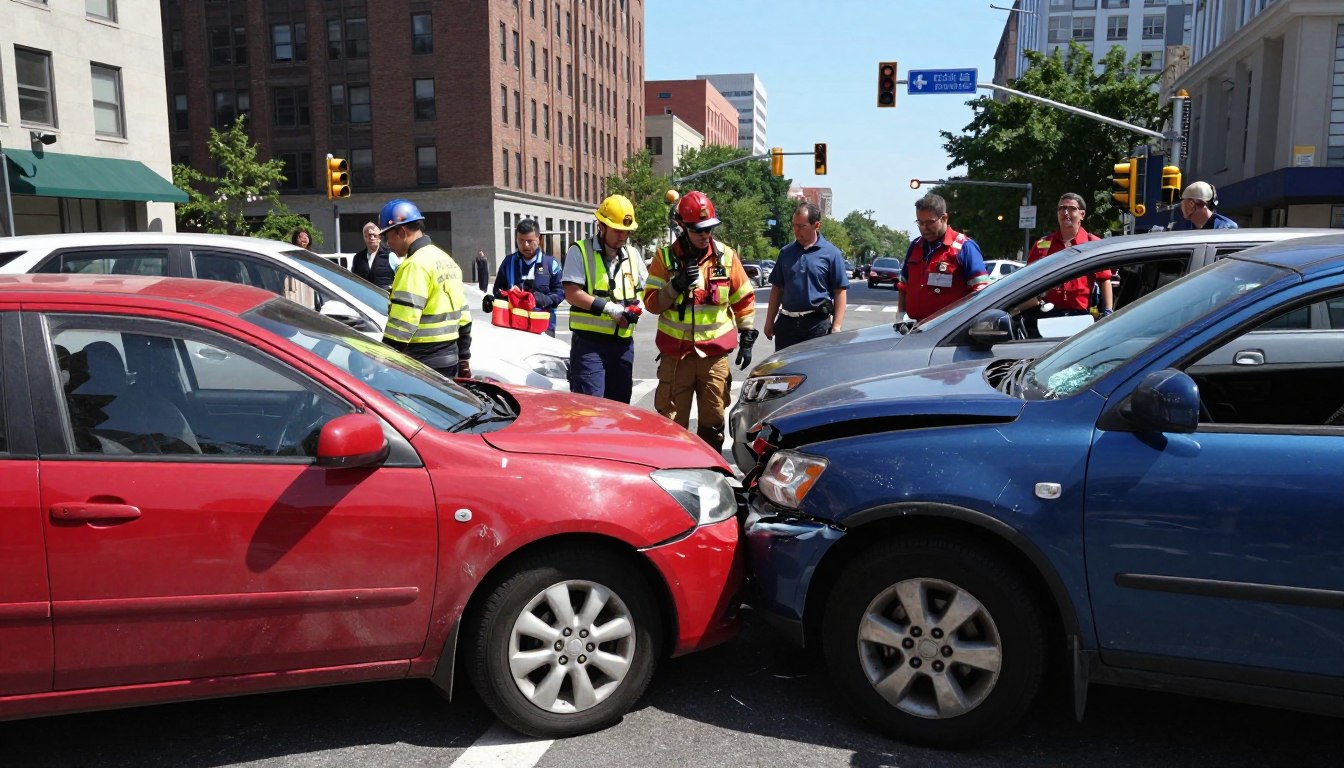
Have you ever wondered what constitutes an accident, and how various incidents can impact our lives? Accidents can occur in numerous settings, from roads to workplaces, and understanding their nature and consequences is crucial.
Accidents can be devastating, leading to injuries, financial loss, and emotional trauma. Whether it’s a car accident on the highway or a workplace accident in an industrial setting, the impact can be significant.
This article aims to shed light on the various types of accidents, their causes, and the measures that can be taken to prevent them.
Key Takeaways
Table of Contents
- Understanding the different categories of accidents.
- The common causes of car and workplace accidents.
- Preventive measures for various types of accidents.
- The importance of safety protocols in different environments.
- Legal and financial implications of accidents.
Understanding the Different Types of Accidents Explained
The world around us is full of potential hazards, and recognizing the different types of accidents is the first step towards safety. Accidents can occur in various settings, including workplaces, roads, and even in our homes. Understanding these different contexts is crucial for developing effective prevention strategies.
Common Causes of Accidents
Accidents are often the result of a combination of factors rather than a single cause. Common causes include human error, equipment failure, and environmental factors. For instance, slip and fall accidents can be caused by wet floors, uneven surfaces, or poor lighting. Being aware of these potential hazards can significantly reduce the risk of accidents.
Impact of Accidents on Victims
The impact of accidents on victims can be profound, affecting not just the individuals involved but also their families and communities. Victims may suffer from physical injuries, emotional trauma, and financial burdens due to medical expenses and lost income. For example, victims of medical malpractice may experience long-term health consequences, while those involved in product liability accidents may face significant financial challenges.
| Type of Accident | Common Causes | Impact on Victims |
|---|---|---|
| Slip and Fall Accidents | Wet floors, uneven surfaces | Physical injuries, financial burdens |
| Medical Malpractice | Human error, negligence | Long-term health consequences |
| Product Liability Accidents | Defective products | Financial challenges, physical harm |
Vehicle-Related Accidents
Vehicle-related accidents encompass a broad range of incidents, from car accidents to motorcycle crashes and pedestrian collisions, each with unique causes and consequences. These accidents are a significant public health concern, resulting in substantial morbidity, mortality, and economic burden.
Car Accidents: Causes and Prevention
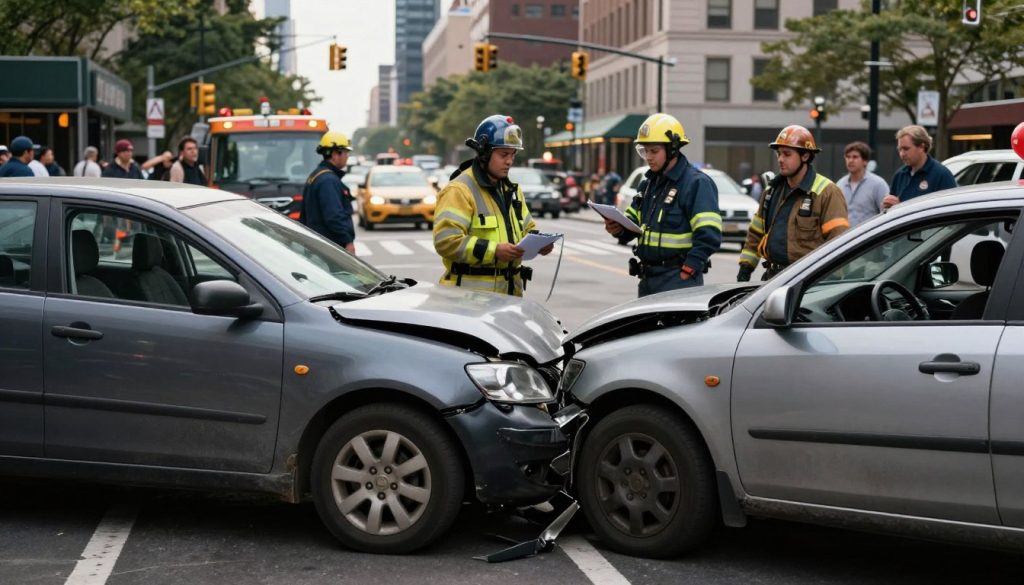
Car accidents are among the most common types of vehicle-related accidents. Causes include distracted driving, speeding, and driving under the influence. Prevention strategies involve obeying traffic laws, maintaining vehicle safety, and avoiding distractions while driving.
Steps to Take After a Car Accident
After a car accident, it’s crucial to ensure safety, exchange information with other parties involved, and document the scene. Reporting the accident to the authorities and notifying insurance providers are also essential steps.
Motorcycle Accidents: Unique Risks
Motorcycle accidents pose unique risks due to the lack of protective barriers around riders. Common causes include reckless driving by other motorists and road hazards. Motorcyclists must be vigilant and take safety precautions seriously.
Essential Safety Gear for Motorcyclists
Motorcyclists should always wear helmets, protective clothing, and gloves to minimize injury risk. Regular motorcycle maintenance is also crucial for safety.
Pedestrian Accidents: Vulnerability Factors
Pedestrian accidents often result in severe injuries due to the vulnerability of pedestrians. Factors contributing to these accidents include distracted walking, inadequate crosswalks, and driver negligence. Enhancing pedestrian infrastructure and promoting awareness can help reduce these incidents.
Understanding the causes and consequences of vehicle-related accidents is key to developing effective prevention strategies. By addressing the unique risks associated with car, motorcycle, and pedestrian accidents, we can work towards reducing their occurrence and impact.
Workplace Accidents
Workplace accidents can have devastating consequences, including physical harm, emotional distress, and financial hardship. Ensuring a safe working environment is crucial for both employees and employers.
Common Workplace Hazards
Workplace hazards vary widely but often include slip, trip, and fall risks, machinery accidents, and exposure to harmful substances. Employers must identify and mitigate these hazards to prevent accidents.
- Slip, trip, and fall hazards
- Machinery and equipment accidents
- Chemical and substance exposure
Industry-Specific Risks
Different industries face unique risks. For example, construction workers are at risk of falls from heights and being struck by objects, while healthcare workers may be exposed to infectious diseases and needlestick injuries.
| Industry | Common Hazards |
|---|---|
| Construction | Falls, being struck by objects |
| Healthcare | Infectious diseases, needlestick injuries |
Steps to Take After a Workplace Injury
If you’re injured at work, it’s essential to report the incident to your supervisor, seek medical attention if necessary, and document the incident thoroughly. Understanding your rights and the workers’ compensation process can also help you navigate the aftermath of a workplace accident.
Slip and Fall Accidents
Falling victim to a slip and fall accident can be a life-altering experience. These incidents are more common than many realize, often resulting in serious injuries that can have long-lasting effects on an individual’s health and well-being.
Common Locations for Slip and Falls
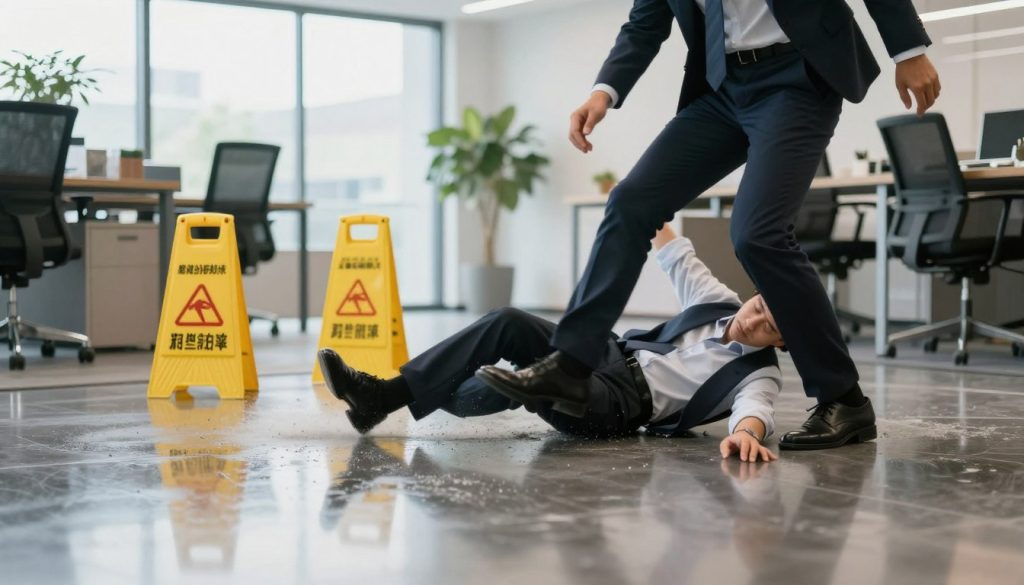
Slip and fall accidents can occur in various settings, including but not limited to, supermarkets, office buildings, and public sidewalks. Wet floors, uneven surfaces, and poorly lit areas are among the most common hazards that lead to these incidents.
Some of the most common locations for slip and fall accidents include:
- Retail stores with wet or oily floors
- Office buildings with poorly maintained stairways
- Public spaces with uneven or slippery walkways
How to Document a Slip and Fall Incident
Documenting a slip and fall incident is crucial for any subsequent claim or action. It is essential to gather as much evidence as possible at the scene, including photographs of the hazard, witness statements, and a detailed account of what happened.
| Documentation Step | Description |
|---|---|
| Photographic Evidence | Take clear photos of the hazard that caused the fall, including the surrounding area. |
| Witness Statements | Collect contact information and statements from any witnesses. |
| Incident Report | File an incident report with the property owner or manager, and keep a copy for your records. |
Construction Accidents
Construction accidents are a leading cause of injury and death in the workplace, highlighting the need for stringent safety measures. The construction industry is known for its hazardous conditions, with workers often exposed to dangerous environments and equipment.
High-Risk Construction Activities
Certain activities on construction sites are particularly hazardous. These include:
- Working at heights, which can lead to falls if proper safety gear is not used.
- Operating heavy machinery, which requires specialized training to handle safely.
- Handling hazardous materials, such as chemicals and asbestos, which demand careful handling and disposal.
These activities necessitate strict adherence to safety protocols to minimize the risk of accidents.
Safety Protocols and Preventive Measures
Implementing safety protocols is crucial in preventing construction accidents. Some effective measures include:
- Regular training for workers on safety procedures and equipment usage.
- Conducting routine inspections to identify and mitigate potential hazards.
- Utilizing personal protective equipment (PPE) such as hard hats, gloves, and safety glasses.
By prioritizing safety and adhering to these protocols, the risk of construction accidents can be significantly reduced.
Medical Malpractice Incidents
Understanding medical malpractice is crucial for both healthcare providers and patients. Medical malpractice occurs when a healthcare professional deviates from the standard of care, resulting in injury or harm to the patient.
Types of Medical Errors
Medical errors can take many forms, including diagnostic errors, treatment errors, and preventive errors. Diagnostic errors involve failing to diagnose or incorrectly diagnosing a condition. Treatment errors include mistakes in medication, surgery, or other treatments. Preventive errors involve failing to take appropriate preventive measures.
| Type of Error | Description | Example |
|---|---|---|
| Diagnostic Error | Failing to diagnose or misdiagnosing a condition. | Failing to diagnose cancer. |
| Treatment Error | Mistakes in medication, surgery, or other treatments. | Administering the wrong medication. |
| Preventive Error | Failing to take appropriate preventive measures. | Not providing appropriate vaccinations. |
How to Recognize and Address Medical Negligence
Recognizing medical negligence involves identifying when a healthcare provider has failed to meet the standard of care. Patients or their families can report concerns to the healthcare facility or state medical board. In some cases, legal action may be necessary.
“Medical negligence occurs when a healthcare provider deviates from the standard of care, causing harm to the patient.”
Addressing medical negligence requires a thorough investigation and, if necessary, corrective action to prevent future incidents.

Product Liability Accidents
When products fail to meet safety standards, they can cause accidents that lead to significant harm. Product liability accidents occur when consumers are injured by defective or dangerous products. Understanding the categories of defective products and the steps to take after an injury is crucial for consumers.
Defective Product Categories
Defective products can range from automotive parts to children’s toys. Common categories include:
- Electrical appliances with faulty wiring
- Pharmaceuticals with harmful side effects
- Vehicles with design or manufacturing defects
These products can cause a variety of injuries, from minor to severe.
Steps to Take If Injured by a Defective Product
If you’re injured by a defective product, it’s essential to take immediate action:
- Seek medical attention to document your injuries.
- Preserve the product and any packaging or instructions.
- Report the incident to the manufacturer or retailer.
Understanding your rights and the legal options available can help you navigate the process of seeking compensation.
| Action | Purpose |
|---|---|
| Seek Medical Attention | Document Injuries |
| Preserve Evidence | Keep Product and Packaging |
| Report Incident | Notify Manufacturer/Retailer |
Conclusion
Understanding the different types of accidents explained in this article is crucial for accident prevention. By recognizing the causes and consequences of various accidents, individuals can take proactive steps to minimize risks.
Vehicle-related accidents, workplace accidents, slip and fall incidents, construction accidents, medical malpractice, and product liability accidents all have unique characteristics and prevention strategies. Being aware of these factors can significantly reduce the likelihood of being involved in an accident.
Effective accident prevention requires a comprehensive approach, including education, awareness, and adherence to safety protocols. By adopting these measures, individuals can protect themselves and others from harm, creating a safer environment for everyone.